
"best Ethiopian beans"
3000 article(s) found

Introduction to the characteristics of coffee flavor and taste of Ethiopian coffee manor with long, pointed beans
The highest grades of Ethiopian washed coffee Yega Chuefei G1 G2 Sidamo (Yirgacheffe, Sidamo) are Grade 2 and Grade 3 (G2, G3), while most of the sun-processed coffee in eastern Ethiopia are Grade 4 or Grade 5 (G4, G5). In many cases, level 4 coffee is marked as level 5 in order to reduce taxes. At present, the grading is not uniform and messy, because there is also sun processing.

Introduction to Ethiopian Coffee Grade
Grade of Ethiopian coffee: Ethiopian washed coffee Yega Chuefei G1 G2 Sidamo (Yirgacheffe, Sidamo) has the highest grades 2 and 3 (G2, G3), while sun-processed coffee in eastern Ethiopia is mostly grade 4 or 5 (G4, G5). In many cases, level 4 coffee is marked as level 5 in order to reduce taxes. At present, the classification is not uniform and there are

Ethiopian coffee bean flavor description of the type of taste grinding scale processing method introduction
Ethiopian coffee beans are mostly produced in the plateau above 2000 meters above sea level, the major producing areas are Djimmah (Djimmah), Gimbi (Gimbi), Yirgacheffe (Yirgacheffe), Sidamo (Sidamo), Harar (Harar). Because of the soil conditions, climatic conditions and the sea above 2000 meters in these areas

Is Ethiopian coffee similar to mocha coffee?
In terms of characteristics, Ethiopian coffee is somewhat similar to the famous mocha coffee. Of course, high-quality Ethiopian coffee can be compared with the best coffee from all over the world, including its considerable price. Ethiopia has the highest domestic consumption of coffee in Africa. In the countryside, it is often drunk with a herb called Adam's Health of Adam
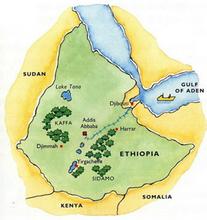
Introduction to Boutique Coffee Estate; Details of Ethiopian coffee beans (mocha)
Ethiopia (Ethiopia) is one of the major producers of Arabica coffee beans in Africa and produces the best Arabica mocha beans in the world. It is said that coffee beans were first discovered by shepherds in the Kafa region of Ethiopia, and the name of coffee evolved from Kafa, so Ethiopia is still the hometown of coffee. Production and processing of coffee beans Ethiopia

What is Ethiopian coffee? What is the treatment of Ethiopian coffee?
Ethiopia is a professional coffee knowledge exchange more information about coffee beans Please follow the coffee workshop (Wechat official account cafe_style) Arabica Coffee is the hometown of Arabica Coffee, it is in the forests of the Kaffa region, you can see wild Arabica coffee. In Ethiopian, coffee is called Bun or Buna, and coffee beans (coffeebean) may come from

Ethiopian Yega Sherfi Coffee Flavor Description Taste Grind Scale Variety Introduction
Ethiopian Yega Coffee Flavor Description Taste Grind Scale Variety Introduction Sun-baked beans are mainly harvested from the late harvest season, that is, from December to January, and the beans are harvested at higher altitudes. The first drying stage is very important. The beans are dried on a thin cloth to avoid fermentation. Then the coffee cherries are allowed to stand for a few days.
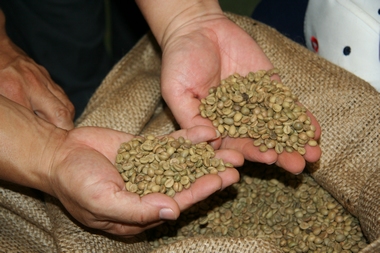
The main producing areas of coffee are in southern Brazil and Ethiopian highlands. Ethiopian coffee imports pass.
Ethiopia is one of the major producers of Arabica coffee in Africa, producing the best Arabian coffee in the world. It is said that coffee was first discovered by shepherds in Essekafa, and the name of coffee evolved from Kafa, so Essex is still the hometown of coffee. The geographical environment of coffee production and processing is very suitable for coffee growth. Coffee is mainly cultivated.

Why is Ethiopian coffee made by hand? why is it good to drink Ethiopian coffee? is the growing environment good? the characteristics of Ethiopian coffee
For more information on coffee beans, please follow the coffee workshop (Wechat official account cafe_style) Ethiopia's perfect coffee growing environment there is great potential for coffee production in Ethiopia due to high altitude, ample rainfall, suitable temperature, suitable planting materials and fertile soil. In addition, this country has special value to the world because

Ethiopian Coffee introduction Coffee beans Coffee processing Coffee Flavor Ethiopian Coffee details
Ethiopia is the hometown of Arabica coffee, and it is in the forests of Kaffa that you can see wild Arabica coffee. In Ethiopian, coffee is called Bun or Buna, and coffee beans (coffeebean) may be translated from Kaffa Bun. Arabica coffee was discovered early in the Harald area, probably from Kafa.

Ethiopian boutique coffee introduces boutique coffee beans characteristics of Ethiopian boutique coffee
Ethiopia is the hometown of Arabica coffee, and it is in the forests of Kaffa that you can see wild Arabica coffee. In Ethiopian, coffee is called Bun or Buna, and coffee beans (coffeebean) may be translated from Kaffa Bun. Arabica coffee was discovered early in the Harald area, probably from Kafa.

Ethiopian Coffee Boutique Flavor Manor Producing Area Taste Introduction Ethiopian Coffee Brand
1. Limu coffee grows between 1400 meters and 2000 meters above sea level. washed coffee. Excellent quality, with intense nutty aromas, moderate acidity and wine intensity. Annual production of 29,000 tons. Gima coffee grows between 1400 and 1800 meters above sea level. Sunburn coffee. Slightly sour, nutty and long finish. Annual production of 70,000 tons. 3. Gambi Coffee

Flavor characteristics of Ethiopian Fine Coffee Ethiopian Coffee
Ethiopia is the hometown of Arabica coffee, and it is in the forests of Kaffa that you can see wild Arabica coffee. In Ethiopian, coffee is called Bun or Buna, and coffee beans (coffeebean) may be translated from Kaffa Bun. Arabica coffee was discovered early in the Harald area, probably from Kafa.
Story of planting grades in Ethiopian Coffee producing area characteristics of flavor and taste of Yega Sidamo coffee beans
As we all know, Ethiopia is the birthplace of coffee. Coffee is the main export commodity grown in Ethiopia. Coffee grown in Ethiopia is famous for its excellent quality and flavor. To this day, Ethiopia is one of the world's largest coffee producers and exporters and is in a leading position in the world.

Introduction to the flavor and taste characteristics of Ethiopian coffee manor with rich floral flavor
The nose is characterized by strong floral, fruity, sour and sweet aromas, but the alcohol is slightly thicker or less dense. The biggest disadvantage is that it is easy to bake unevenly, especially sun-dried beans. Even the best Grade3 Harald sun-dried beans often show uneven color, which is the biggest defect of Ethiopian beans, but the good thing is that it does not affect its good flavor. For coffee fans, don't worry about what the beans look like.

Rich floral flavor of Ethiopian coffee the characteristics of the manor area introduce high-quality coffee beans
Ethiopian coffee has the highest citrus aroma in the world. Whether instant coffee or freshly ground coffee, the aroma of orange or lemon can be smelled during extraction. The nose is characterized by strong floral, fruity, sour and sweet aromas, but the alcohol is slightly thicker or less dense. The biggest disadvantage is that it is easy to bake unevenly, especially sun-dried beans. Even the best Grade3 Harald sun beans are often

Introduction to the characteristics of flavor and taste of Ethiopian coffee manor with acidity and texture
Ethiopia's coffee grading and quality control system has two main indicators: visual inspection and cup evaluation, including the color, cleanliness, origin, taste and characteristics of coffee beans. The export rating is marked by simple numbers, with the best washed coffee at level 5 and the best sun-cured coffee at level 4. After grading, mark the place of origin and then export. Usually the export is paid by letter of credit.

Ethiopian coffee introduction Ethiopian coffee beans exquisite coffee beans and introduction
Ethiopia is the hometown of Arabica coffee, and it is in the forests of Kaffa that you can see wild Arabica coffee. In Ethiopian, coffee is called Bun or Buna, and coffee beans (coffee bean) may be translated from Kaffa Bun. Arabica coffee was discovered early in the Harald area.

What's the difference between Ethiopian and Kenyan coffee? what is the main flavor of African coffee?
Coffee beans from African countries are my favorite. When I first tried African coffee beans, what triggered me was that coffee didn't taste like coffee at all. Africa, and more specifically East Africa, produces some of the world's most unique coffee, characterized by bright floral aromas, fruit and wine tones, and rich acidity. All in all, African coffee beans are full of flavor! I encourage

Ethiopian boutique coffee beans planting situation, geographical location, climate, altitude
Ethiopian people are addicted to coffee. In 2003, domestic consumption accounted for 42.3% of the total output, with a per capita consumption of 3 kg. But more than half of the coffee produced each year is used for export to earn foreign exchange. The main exporters include the United States, Italy, the United Kingdom, Sweden, Norway, Greece, France, Belgium, Germany and Australia. Before 1974, the right to produce, process and trade coffee